Mourning Music
This piece was written for ENGL8015 Writing Creative Non-Fiction. We were asked to locate a story from our life against significant historical moments, in 500 words. I have never been a writer of fantasy or plot-driven stories. I struggle to build worlds from nothing. So, from the first moment, writing creative non-fiction called to me, and I wanted to include a good example in my portfolio.
I love the play of language, taking a real-life moment, sensation or relationship and shaping it into narrative. I found it easy to recall the emotions of this turbulent break-up at a coming-of-age moment in my life. The material was all there; I just had to give it shape. I received lovely feedback from peers and my tutor, but also guidance around techniques such as analepsis and ensuring clarity of language as you build suspense or withhold information. I learned that good technique can carry emotions and story with very few words; it also enables the writer to maintain a healthy distance from the original “true” story.
More important than that, this piece taught me how creative writing techniques have the power to transcend personal story-telling to express shared experiences or universal truths that will resonate with readers.
Love in the Time of Apartheid
This piece was written as the Major Work for ENGL8017 Writing the Past. I discovered during that subject how much I enjoy researching for creative writing. I also discovered how easy it is to become side-tracked by all the fascinating treasures dug up in the process.
This piece began essentially as another piece of creative non-fiction, a memoir from my father-in-law’s life. In the drafting process, I immersed myself in John’s travel diary, flight crash reports, maps and tourism brochures. I became bogged down. One peer suggested it read more like a travel-log and challenged me to ask myself, as Dr Kelley Gardiner had suggested to us, “What is the ‘thing’ you have come here to say?”. I realised two things: one, there was enough conflict and drama there to simply tell a good narrative and two, it would have to become largely fiction as it was impossible to guage what John’s inner conflicts and motivations were: I would have to make those up. This piece taught me to bring readers into the story – less exposition, more dialogue, slow down the pace when something is important and press delete for all that’s not.
Lamb to the Slaughter
I wrote this micro-fiction for the subject ENGL8022 Short Form Writing. We were to write a piece designed for Twitter, limited to no more than 20 tweets, each a maximum of 280 characters. The exercise taught me how to say more with less, how to utilise gaps and silences to create rhythm, suspense, tension. How micro-fiction can look like poetry, with its heavy use of imagery. How to use new digital platforms.
Feedback received helped me to see where technique could improve the effect: using the platform effectively for ease of reading; using position of words, syntax, even new physical lines for clarity (for example to distinguish who is speaking).
I had feedback that surprised me: some peers saw humour where I had intended to convey guilt and shame for deliberately causing one’s child pain. It was no less emotionally effective for this unexpected interpretation though. Feedback was overwhelmingly positive. It taught me something beyond technique: while for me an emotional hook is what helps me find form for a story, once that story is released, every reader will interact with it uniquely, and make the story their own. Which to me is the greatest power creative writing wields.
Modern Marriage
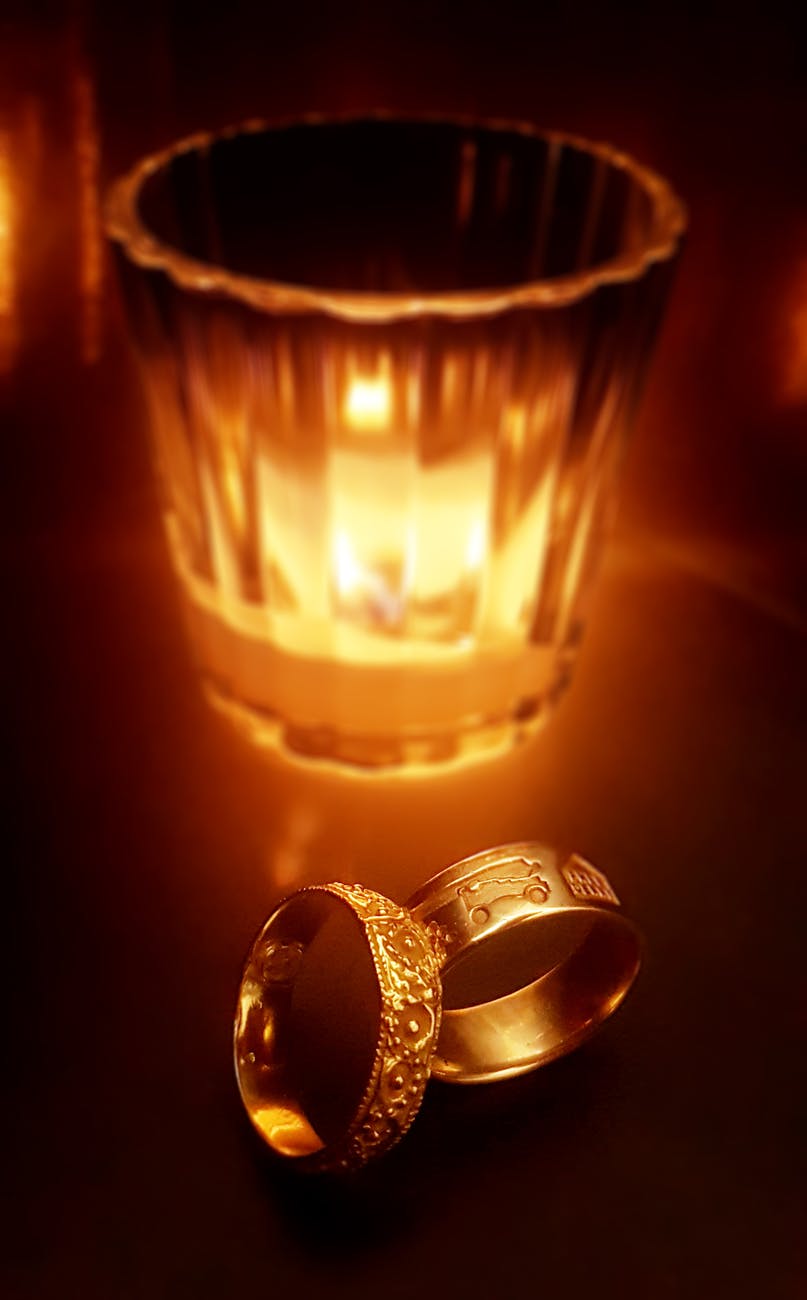
I wrote this micro-fiction for the very first exercise in my very first subject of the Master of Creative Writing (ENGL8010 Creative Writing Seminar 1). It is included here because it shows me the potential of a glimmer of an idea.
It was a task to focus on the essentials of narrative: action, change or consequence, use of a name, gesture, potent adjectives, use of the senses. The character came to life for me and I wrote more about her in subsequent exercises. But then I got stuck. I was telling, not showing. I was consumed by trying to convey “themes” and ended up being didactic and too controlling. I had to let her go.
Until recently, when other writing projects brought me back to these themes and a possible new way of writing them: using ficto-feminism as my approach.
I re-visited this first scene I wrote about Sarah and realised it is good. It does have potential. There is powerful conflict there and a chance to explore dark alleys in Sarah’s future choices. Now that I have gained more knowledge (writing genres) and skills (character development, dialogue, narrative structure, focalisation, world building through research) I feel ready to engage with Sarah again.
Watch this space!
Major Reflection
The genre of creative non-fiction is my special interest and most of my writing work is drawn at least partly from my life or the lives of those I know well. One reason I selected the works above is because they each found a way to move beyond a personal anecdote or emotive moment and into the realm of crafted story.
I tend to use an emotional “hook” as a genesis for a story, but I am learning to whittle the narrative shape more deftly. Techniques such as characterisation, focalisation, dialogue, manipulation of time, gaps and silences I have learned and practised throughout the Master of Creative Writing. The four stories shared are from four different subjects because every subject, every genre has taught me more about the craft of writing as well as the writer I want to be.
I believe the first MCW course outcome is evident in this Digital Portfolio:
1. Apply advanced skills in creative writing to research, write, and edit works of creative writing across a range of narrative and poetry-based genres.
Another outcome I have been particularly working on this semester with the production of the digital portfolio is:
7. Gain knowledge of and develop skill readiness for professional publication opportunities, and careers in the Arts and Communication industries.
My Major Project this session as well as the process of selecting and publishing this portfolio to a digital platform have been centred on filling this gaping hole in my knowledge and confidence as a writer.
I have learned to use Twitter, Wakelet, website builders and Canva in the process of putting this portfolio (or its works) together. I plan to further improve my skills in “readiness for professional publication” by continuing with creative writing research to complete my Masters and then, possibly, embark on a PhD. I will also submit my ficto-critical essay, “Managing the Mess”, to the Postgraduate English Journal in hopes of achieving a peer-reviewed published article. Even the process of researching appropriate journals and how to submit to them has greatly developed my skills in this outcome area.
There is so much more to learn, and so much creative writing to enjoy along the journey! This selection of works is just the beginning, and each was ultimately selected because it in some way represented this. There was either a revelation of what gets me excited as a writer (research, character, relationships); techniques I realised I did well or needed to hone (which led to improvement in later works); images or scenes that haunted me, determined to be written into fuller life.
Themes of personal journey or insight, as well as exploring social issues and stigma through story are all important to me as a writer, and all are expressed in some way in this selection of works. These pieces have each been significant for me in discovering who I am as a writer.
They have helped me find my voice.
 Anne Turner